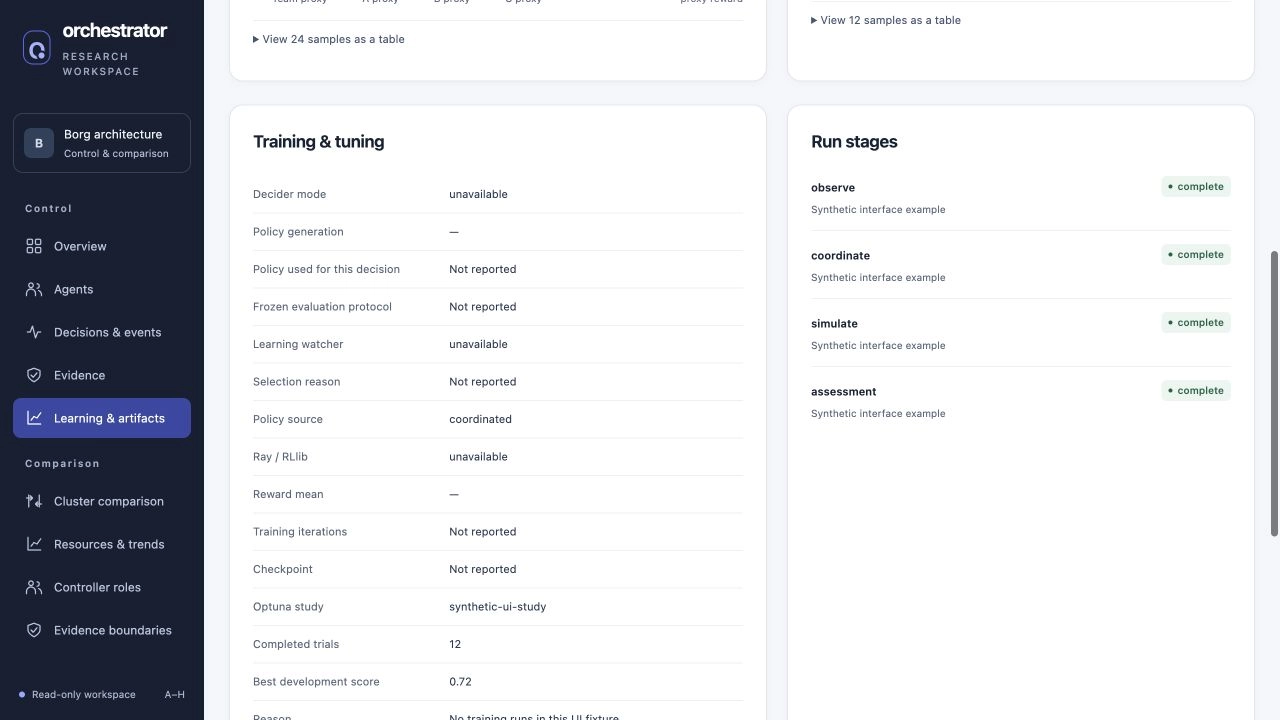
[Cloud Orchestrator 5/5] Learning Without Surrendering Control
How Cloud Orchestrator combines eight specialist roles with an optional adaptive ranker, verified decision feedback, frozen comparisons, and evidence-gated policy promotion.
Backend, Kubernetes, database, and infrastructure notes from real engineering work.
How Cloud Orchestrator combines eight specialist roles with an optional adaptive ranker, verified decision feedback, frozen comparisons, and evidence-gated policy promotion.
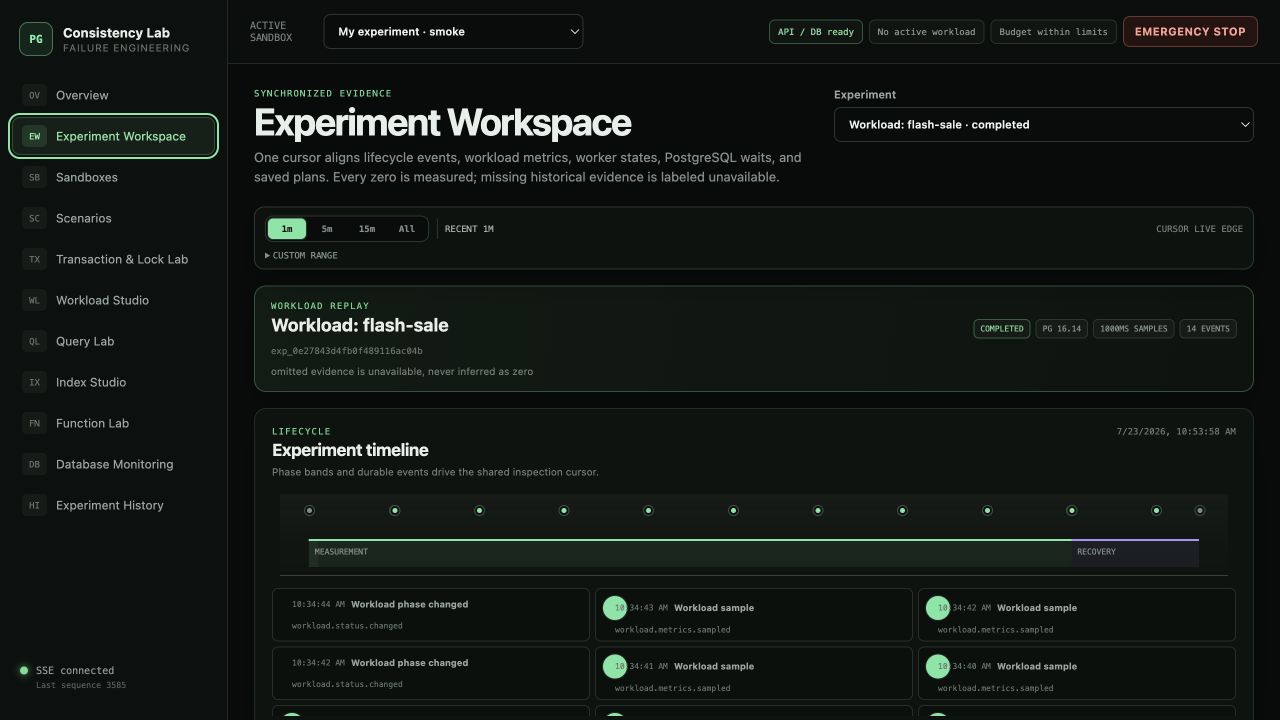
A detailed retrospective on building PostgreSQL Consistency Lab: deterministic transaction failures, isolated sandboxes, managed actors, 16 real scenarios, bounded workloads, PostgreSQL observability, a synchronized dashboard, and one shared Go control plane for CLI, REST/SSE, and MCP.
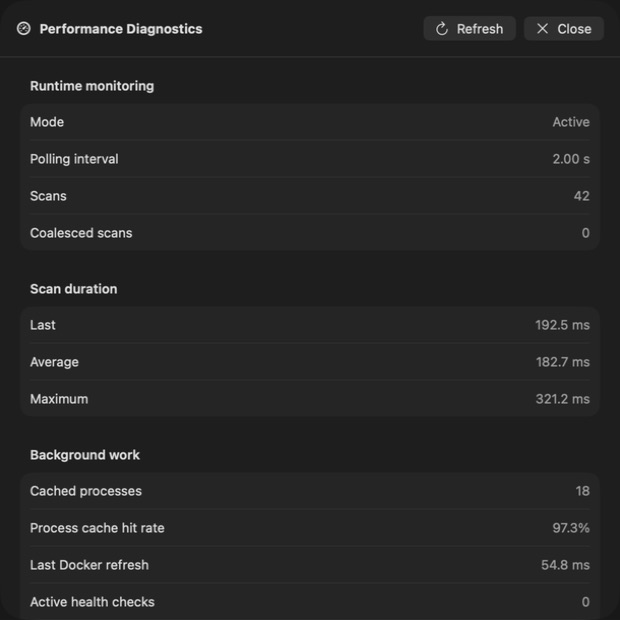
Activity Monitor showed DevBerth using 69.2% CPU with no window open. This is how I followed the work through Instruments and brought the same Release build down to 0.118%.
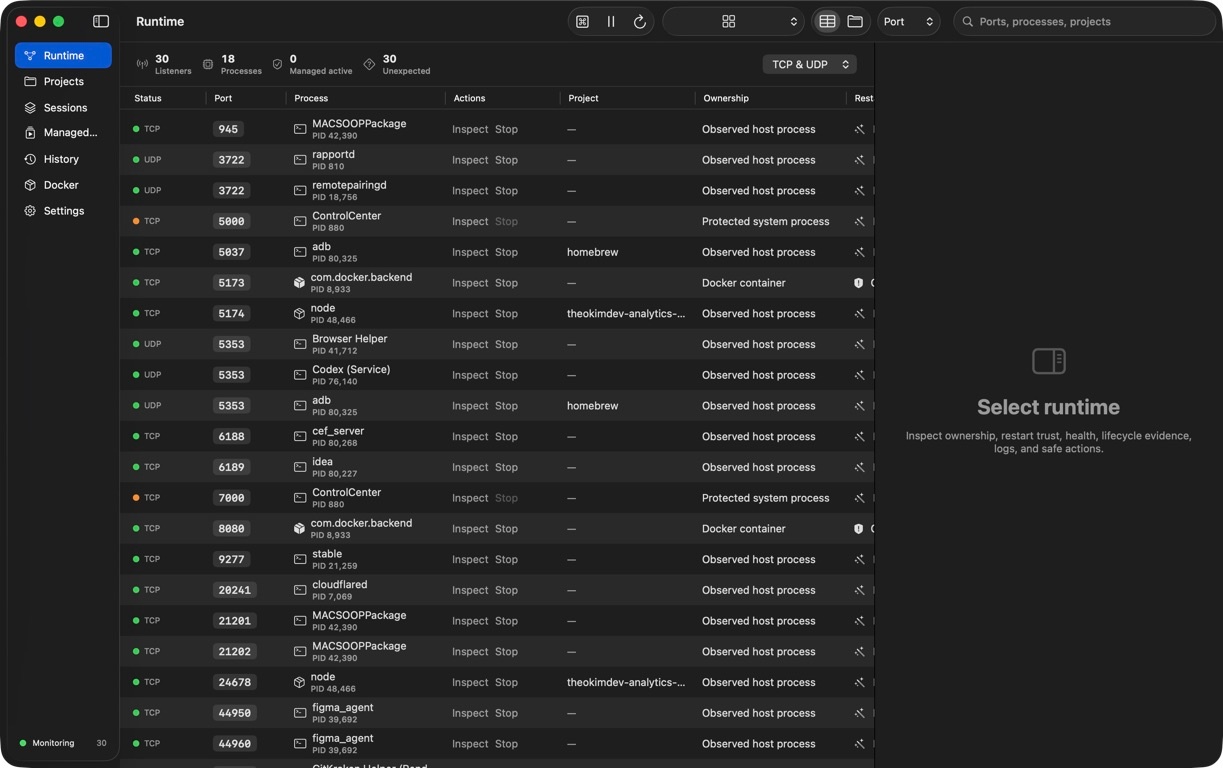
DevBerth started as a port viewer. It turned into a native macOS runtime manager once I realized that seeing a process and safely controlling it were two very different problems.
How a research dashboard recorded each candidate’s first failing gate, then a frozen multi-horizon diagnostic confirmed no_trade before test access or model training.
How coding agents move developer leverage from typing code to defining systems, constraints, review, and responsibility.
A forensic analysis of timing, contract, direction, fold, and cost fragility, followed by MBP-1 spread, latency, and adverse-movement calibration for OHLCV candidates.
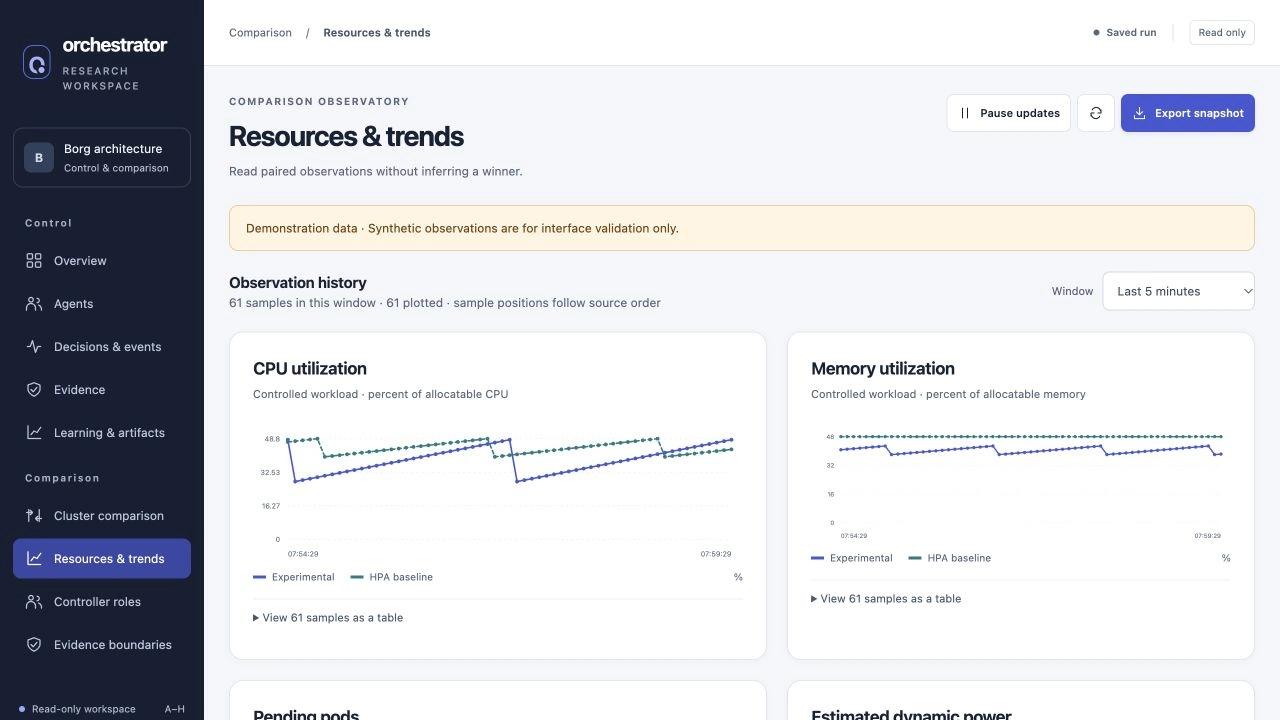
Separating legacy PPO and Optuna experiments, local Kubernetes comparison, verified actuation, and a frozen independent CSC/CSP outcome gate.
How deterministic baselines, feature IC, and a strategy zoo selected no_trade, then train, concentration, and cost-stress gates rejected the first validation-positive candidates.
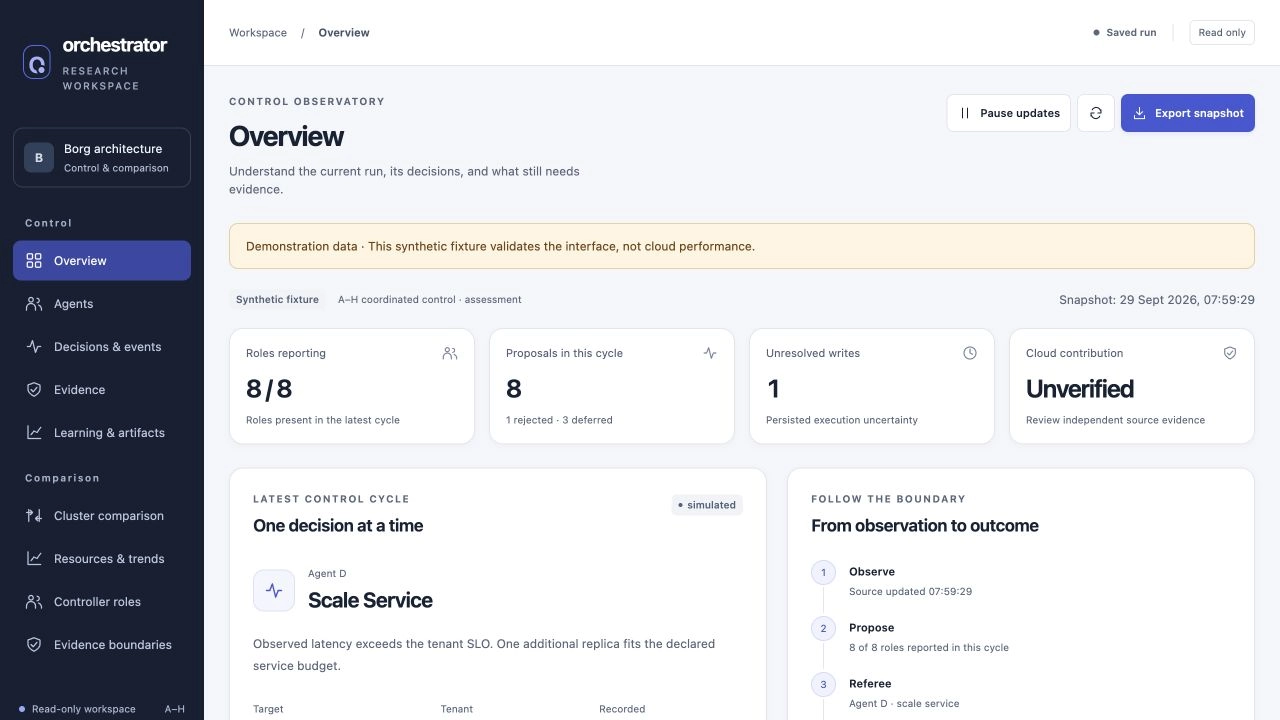
The six-layer Cloud Orchestrator separates A–H responsibilities, feasibility, serial arbitration, durable execution, and independent assessment.
How past-only contract selection and session filtering produced an MES/ES silver dataset, then a strict matrix with physically separated features, labels, metadata, and splits.
Why causal schemas, mature labels, label-independent validation sampling, and model provenance matter—and why Borg failure forecasting differs from the live controller's next-window predictors.